by Richard Walicki | May 10, 2024 | Anti-Aging, Supplements
In the quest for a leaner, stronger physique, many of us turn to the gym, dedicating hours to lifting weights. But what if there was a way to accelerate muscle growth without ever touching a dumbbell? The answer lies in the power of proteolytic enzymes, and it’s transforming the way we think about fitness and muscle development.
The Power of Proteolytic Enzymes: Proteolytic enzymes are not just any supplement; they are the key to unlocking your body’s muscle-building potential. These enzymes enhance your body’s ability to digest protein, ensuring that the nutrients from your food are absorbed more completely. The result? A flood of amino acids that are essential for muscle repair and growth.
Introducing MassZymes: BiOptimizers has developed MassZymes, a high-quality proteolytic enzyme supplement designed to maximize muscle growth. MassZymes isn’t just another product on the shelf; it’s the world’s strongest protein-digesting enzyme, crafted for those who want to build muscle quickly and efficiently.
Real Results That Speak Volumes: Skepticism is natural when it comes to supplements, but MassZymes has proven its worth. The co-founder of BiOptimizers experienced remarkable growth, adding ¾ of an inch to his arms in just four weeks. This isn’t an isolated success story; users consistently report significant gains and improved digestion.
A Limited-Time Offer You Can’t Miss: For those ready to take their fitness to the next level, there’s never been a better time. Rakuten is offering a 15% cashback on purchases, and with the checkout code SAVE10, you can enjoy an additional 10% off your total order through our exclusive affiliate link at
bit.ly/BIOptimizers.
Why MassZymes Is the Enzyme for the Masses: MassZymes stands out because of its proprietary formula, which is so effective that it’s legally protected. This isn’t just about building muscle; it’s about optimizing your health and metabolism. Whether you’re looking to enhance your appearance or boost your overall well-being, MassZymes is the supplement that delivers. The journey to a stronger, leaner body doesn’t have to be grueling. With MassZymes, you can achieve your fitness goals with ease. Don’t miss out on this opportunity to triple your protein effectiveness and see the difference for yourself. Ready to revolutionize your muscle growth? Click the button below to take advantage of this incredible offer and start your journey with MassZymes today!

by Richard Walicki | Apr 9, 2024 | Anti-Aging, Supplements
In recent years, the field of epigenetics has emerged as a fascinating area of study, shedding light on the intricate interplay between genetics and lifestyle factors in determining health and longevity. Epigenetics refers to changes in gene expression that occur without alterations to the underlying DNA sequence, influenced by various environmental factors such as diet, stress, exercise, and exposure to toxins. Understanding the role of epigenetics offers valuable insights into how our lifestyle choices can impact our health outcomes and even influence our lifespan.
One of the most compelling examples of the role of epigenetics in health and longevity comes from the landmark Dutch Hunger Winter Study. This study examined individuals who were exposed to famine conditions during early gestation in the Netherlands at the end of World War II. Researchers found that individuals who experienced prenatal famine exhibited changes in DNA methylation patterns, a key epigenetic mechanism, which persisted throughout their lives. These epigenetic changes were associated with an increased risk of metabolic disorders such as obesity, cardiovascular disease, and diabetes later in life, highlighting the long-lasting effects of early environmental exposures on health outcomes.
Similarly, studies have shown that lifestyle factors such as diet and exercise can exert profound effects on epigenetic modifications and gene expression. For example, research has demonstrated that a Mediterranean diet rich in fruits, vegetables, whole grains, and healthy fats can positively influence DNA methylation patterns associated with inflammation, oxidative stress, and chronic disease risk. Likewise, regular physical activity has been shown to modulate epigenetic markers linked to metabolism, insulin sensitivity, and cardiovascular health, contributing to improved overall well-being and longevity.
Furthermore, emerging evidence suggests that stress and social factors can also impact epigenetic regulation and contribute to health disparities. Chronic stress has been linked to alterations in DNA methylation and histone modifications associated with increased inflammation, impaired immune function, and accelerated aging processes. Similarly, social determinants of health such as socioeconomic status, education level, and access to healthcare can influence epigenetic profiles and susceptibility to disease, underscoring the importance of addressing social inequalities in promoting health equity.
Epigenetics offers a fascinating glimpse into the dynamic interplay between nature and nurture in shaping our health and longevity. By understanding how lifestyle factors and environmental exposures can modify gene expression patterns through epigenetic mechanisms, we can empower individuals to make informed choices that promote optimal health and longevity. Whether through adopting a healthy diet, engaging in regular exercise, managing stress effectively, or addressing social determinants of health, each decision we make has the potential to leave a lasting imprint on our epigenetic landscape and pave the way towards a healthier future.
References:
1. Heijmans BT, Tobi EW, Stein AD, et al. Persistent epigenetic differences associated with prenatal exposure to famine in humans. Proc Natl Acad Sci U S A. 2008;105(44):17046-17049.
2. Martínez JA, Milagro FI, Claycombe KJ, Schalinske KL. Epigenetics in Adipose Tissue, Obesity, Weight Loss, and Diabetes. Adv Nutr. 2014;5(1):71-81.
3. Bouchard L, Vohl MC. Epigenetics and childhood obesity: the potential here and now. Asia Pac J Clin Nutr. 2012;21(1):163-172.
4. McEwen LM, Jones MJ, Lin DT, et al. Systematic evaluation of DNA methylation age estimation with common preprocessing methods and the Infinium MethylationEPIC BeadChip array. Clin Epigenetics. 2018;10:123.
5. Galobardes B, Smith GD, Lynch JW. Systematic review of the influence of childhood socioeconomic circumstances on risk for cardiovascular disease in adulthood. Ann Epidemiol. 2006;16(2):91-104.

by Richard Walicki | Apr 8, 2024 | Anti-Aging, Supplements
In today’s fast-paced world, many individuals find themselves asking the question: “What vitamins and supplements should I be taking?” While the answer may not be straightforward due to varying individual needs, it is essential to understand the importance of certain vitamins and minerals in maintaining overall health and well-being.
The very definition of the word “vitamin” implies its indispensability for life. Without adequate intake of these vital nutrients, deficiencies can arise, leading to various health issues. In modern times, obtaining all necessary vitamins and minerals solely from diet can be challenging, given factors like soil depletion and food processing methods. As a result, supplementation may become necessary to bridge nutritional gaps and ensure optimal health.
Here are some essential vitamins and minerals that play key roles in supporting various bodily functions:
- Vitamin A: Essential for vision, immune function, and skin health.
- Vitamin C: An antioxidant that supports immune function, collagen synthesis, and wound healing.
- Vitamin D: Crucial for bone health, immune function, and mood regulation.
- Vitamin E: Acts as an antioxidant and supports skin health and immune function.
- Vitamin K: Important for blood clotting and bone metabolism.
- B Vitamins (B1, B2, B3, B5, B6, B7, B9, B12): Play roles in energy metabolism, nerve function, and red blood cell production.
- Calcium: Vital for bone health, muscle function, and nerve transmission.
- Magnesium: Supports muscle and nerve function, blood sugar regulation, and bone health.
- Iron: Necessary for oxygen transport, energy production, and immune function.
- Zinc: Essential for immune function, wound healing, and DNA synthesis.
- Selenium: Acts as an antioxidant and supports thyroid function and immune health.
- Iodine: Crucial for thyroid hormone production and metabolic function.
While these vitamins and minerals are considered essential, it’s important to remember that individual needs may vary based on factors such as age, gender, lifestyle, and underlying health conditions. Consulting with a healthcare professional or registered dietitian can help determine personalized supplementation strategies tailored to specific needs.
In conclusion, while obtaining nutrients from a balanced diet is ideal, supplementation may be necessary to meet daily requirements and support overall health, especially in modern times. By prioritizing essential vitamins and minerals, individuals can take proactive steps towards maintaining optimal health and well-being.
Remember, investing in your health today is an investment in a healthier tomorrow!
Unlock the door to vibrant health! Explore our trusted supplement dispensary for expertly curated products tailored to your wellness needs. Click now to discover your path to optimal health and vitality! 💪🌿 Link to our supplement dispensary: bit.ly/vitalitysource
Disclosure: The information provided in this article is for educational purposes only and should not be construed as medical advice. Always consult with a qualified healthcare professional before starting any supplementation regimen.
by Richard Walicki | Apr 5, 2024 | Anti-Aging, Supplements

by Richard Walicki | Mar 27, 2024 | Anti-Aging, Supplements
The gut microbiota, a complex ecosystem of bacteria, viruses, and fungi residing in our digestive system, significantly influences our overall health. If you suspect your gut microbiota might be out of balance, embarking on a journey to reset it could be transformative. In this article, we delve into the science behind gut microbiota and outline a simple yet powerful "Gut Reset" plan.
Understanding the Gut Reset:
A Gut Reset entails making deliberate changes to your diet, lifestyle, and mindset to foster a healthier balance in your gut flora. Factors such as the Western diet, characterized by excessive sugar and fat consumption, as well as the indiscriminate use of antibiotics, can disrupt the delicate equilibrium of gut bacteria. This disruption, known as dysbiosis, often manifests as a decrease in beneficial bacteria, an overgrowth of harmful ones, or a reduction in overall bacterial diversity. Such dysbiosis has been linked to various health issues, including obesity and autoimmune disorders.
The Decision to Reset:
Identifying signs of gut imbalance, such as digestive discomfort, brain fog, or unexplained weight gain, may prompt you to consider a Gut Reset. Digestive issues like bloating and irregularity are telltale signs of gut dysbiosis, while brain fog could indicate underlying inflammation and oxidative stress affecting gut-brain communication. Moreover, shifts in gut microbiota composition can influence appetite regulation and metabolic processes, potentially leading to weight fluctuations.
Executing the Gut Reset:
- Prioritize Fiber-Rich Foods: Increasing your intake of fiber-rich foods, such as fruits, vegetables, oats, and legumes, can provide nourishment to beneficial gut bacteria. These fibers act as prebiotics, fueling the growth of bacteria like Faecalibacterium prausnitzii, known for their anti-inflammatory properties.
- Embrace Colorful Fruits and Vegetables: The vibrant hues of fruits and vegetables signify the presence of polyphenols, potent antioxidants that support gut health by enhancing bacterial diversity. Incorporating a variety of colorful produce into your diet can yield positive changes in gut microbiota composition and mitigate oxidative stress.
- Eliminate Inflammatory Foods: Say "good-bye" to high-saturated fat items and sugary treats that disrupt gut flora balance. Diets rich in fat and sugar not only diminish beneficial bacterial diversity but also foster an environment conducive to inflammation and metabolic dysfunction. Opt for a balanced diet rich in whole foods to promote gut health.
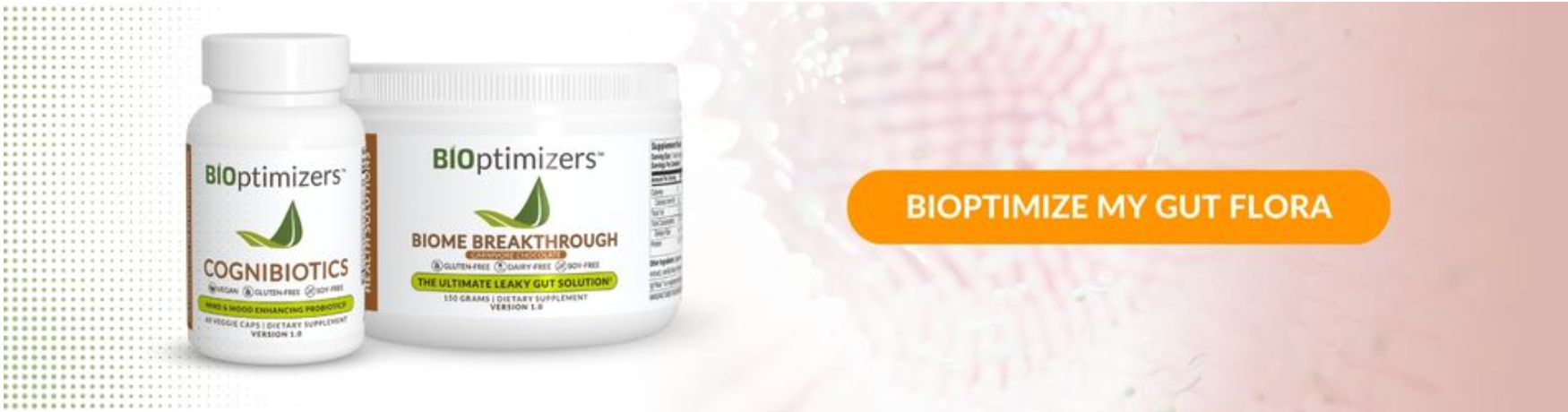
- Implement a "Weed and Reseed" Strategy: To overhaul your microbiome, consider a dual approach of weeding out harmful bacteria and reseeding with beneficial strains. While probiotic supplements offer transient benefits, products like Biome Breakthrough, containing IgYmax and synbiotics, help eradicate pathogenic microbes and nourish beneficial ones. By supporting gut integrity and fostering bacterial balance, these interventions facilitate a holistic Gut Reset.
Nurturing a healthy gut ecosystem through dietary modifications, mindful lifestyle choices, and targeted interventions can yield profound improvements in overall well-being. Embrace the journey of resetting your gut, and unlock the transformative power of a balanced microbiome.
Remember, investing in your health today is an investment in a healthier, happier tomorrow!
Disclosure: The products highlighted in this article undergo rigorous clinical testing to ensure efficacy and are ones that we wholeheartedly endorse. As affiliates, we may receive a commission from qualifying purchases made through the links we provide. Your invaluable support enables us to consistently deliver valuable content and recommendations. We extend our heartfelt gratitude for your unwavering support on this journey toward better health. Thank you.